3) Revitalising Urban Economies
Examining pathways for urban regeneration that support decent livelihoods, wellbeing, and thriving communities. Topics may include:
- Creative and circular economies
- Community‑led revitalisation and neighbourhood planning
- Inclusive economic development and livelihood strategies
- Social innovation and place‑based economic transformation
4) Rethinking Urban Governance
Exploring governance arrangements that are collaborative, adaptive, and future‑oriented. Contributions may include:
- Bottom‑up and participatory governance models
- Policy frameworks for regenerative and resilient cities
- Monitoring, reporting, and SDG‑aligned urban metrics
- Financing mechanisms and cross‑sector partnerships
Key Themes
Key Themes
We invite original, unpublished, and high‑quality contributions addressing one or more of the following thematic areas:
1) Regenerative Urbanism
Exploring urban systems designed as integral components of wider ecosystems. Topics may include:
- Nature‑based solutions and blue‑green infrastructure
- Circular urban metabolism and zero‑waste strategies
- Urban retrofitting for ecological restoration
- Regenerative architecture and landscape design
2) Reimagining Urban Infrastructure
Focusing on adaptive planning and resilient, secure, and smart infrastructure systems. Contributions may address:
- Strategies for managing floods, heatwaves, and other climate‑related hazards
- Infrastructure resilience to security threats and systemic shocks
- Sustainable materials and low‑carbon construction
- Digital and smart communication systems that enhance decision‑making and urban management
Type of contributions
a) Research Papers
- Original, unpublished work not under review elsewhere
- Maximum length: 3000 words (excluding references; including tables and footnotes)
- At least one author must attend the conference to present the paper
b) Posters
- Presentation of ongoing or completed research in dedicated poster sessions
- Printed A1 size posters
c) Lightning Presentations
Presentation deck of up to 10 slides
A concise 3‑minute presentation to a diverse audience

Further information about contributions
Contributions may be theoretical, empirical, or policy‑oriented. Case studies, comparative analyses, tools, and frameworks are also welcome.
All accepted contributions will be included in an open‑access conference proceedings, published at the time of the conference and archived in the Zenodo repository. A selection of high‑quality submissions will be considered for a special issue in a Scopus‑indexed journal.
Workshops and Industrial/ Commercial Exhibits: Inquiries for organising workshops with conference participants or setting up of booths for exhibits to showcase products/ services are welcome. We plan to accommodate two workshops of 60 to 90 minutes and 5 to 10 booths for exhibits.
Important dates
- Abstract submission deadline: 15th May 2026
- Notification of acceptance: 30 May 2026
- Submission of full contributions: 30 July 2026
- Final acceptance decision: 15 August 2026
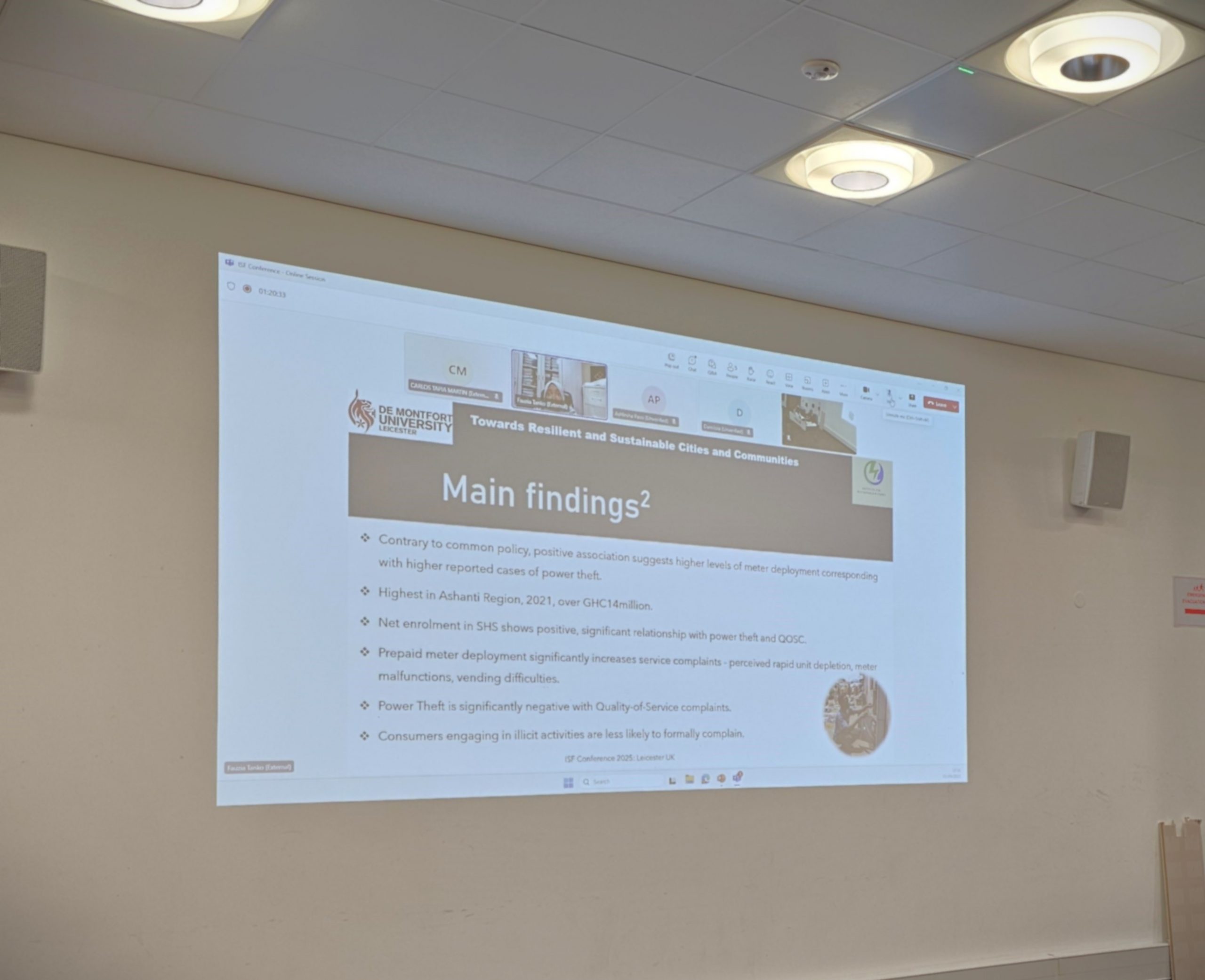
Mode of participation: The conference will be face to face but virtual presentations from outside UK will be considered. However, only selected sessions will be virtual. The participation will be free of charge this year. However, we are unable to provide any support for attending the event in person.
Submission requirements
| Description | Research papers | Posters | Lightning presentations |
| Cover page | Paper title, Author names, Author affiliation; Official email details of authors | Poster title, Author names, Author affiliation; Official email details of authors | Presentation title, Author names, Author affiliation; Official email details of authors |
| Contribution details | Structured abstract covering purpose, methodology, main findings and recommendations and should not exceed 300 words | Structured abstract covering purpose, methodology, main findings and recommendations and should not exceed 150 words | Structured abstract covering purpose, methodology, main findings and recommendations and should not exceed 150 words |
| Size limit | Full papers with a word limit of 3000 words (counting all words between introduction and conclusion, including those in tables and footnotes) would be required by this date. | A1 size | 3 minutes |
For submissions and for any clarification:
Contact: subhes.bhattacharyya@dmu.ac.uk.